

Medically Reviewed by Dr. Shradha Chakhaiyar, MBBS, DGO, MRCOG (London) — IVF Specialist & Reproductive Surgeon
Shradha IVF & Maternity, Patna, Bihar · 20+ Years of Experience
Even with confirmed ovulation (egg rupture), pregnancy depends on several more steps going right. The most common reasons it doesn’t happen include incorrect timing of intercourse, low sperm quality, poor egg quality, fertilisation failure, implantation failure, blocked fallopian tubes, uterine conditions, lifestyle factors, Luteinized Unruptured Follicle (LUF) syndrome, and underlying medical conditions like PCOS or thyroid disorders. Most are treatable once correctly identified.
📋 What This Guide Covers
Ovulation (egg production) is just one part of conception—it doesn’t guarantee pregnancy. 😒
If you’ve ever looked at your report and thought, “Doctor said egg rupture ho gaya… then egg rupture but not conceived, why?” — you’re not alone. This is one of the most common questions couples ask when they are trying to conceive.
It feels confusing, even frustrating. You’re tracking your cycle, maybe even going for scans, everything seems “on time”… and still, no pregnancy. Naturally, the expectation is that once the egg is released, things should just happen. But in reality, the process is not that simple.
Egg rupture (or ovulation) is just one step. After that, several things need to go right—sperm have to reach the egg, fertilization must happen, and then the embryo needs to attach properly inside the uterus. If even one of these steps doesn’t happen as expected, pregnancy may not occur.
The important thing to understand is this: egg rupture but not conceiving does not mean something is seriously wrong. In many cases, the reason is small, hidden, and completely treatable once identified.
Instead of guessing or blaming yourself, the right approach is to understand what might be happening inside your body—and take the next step with clarity and guidance.
What Happens After the Egg Is Released?
Once the egg is released from the ovary, a very specific timeline begins — and conception depends on each step happening in the right window:
| Stage | Time Window | What Has to Happen |
|---|---|---|
| Egg lifespan | 12–24 hours after ovulation | The egg is viable for fertilisation only during this window |
| Sperm lifespan | Up to 3–5 days in the reproductive tract | Sperm must already be present, or arrive within 12–24h |
| Fertilisation | Within the egg’s lifespan | A healthy sperm reaches and successfully fertilises the egg |
| Embryo travel | 3–5 days | The newly formed embryo travels down the fallopian tube to the uterus |
| Implantation | 6–10 days after ovulation | The embryo attaches to the uterine lining |
The egg survives for only about 12 to 24 hours after ovulation. During this short window, it must meet healthy sperm for fertilization to occur.
Sperm, on the other hand, can survive inside the female reproductive tract for up to 3–5 days. This is why timing intercourse during the fertile window is so important. If fertilization happens, the newly formed embryo begins to divide and grow as it travels through the fallopian tube toward the uterus. This journey typically takes 3 to 5 days.
Does Egg Rupture Guarantee Pregnancy?
The simple answer is no.
Egg rupture, or ovulation, is an essential step in the process of conception—but it does not guarantee pregnancy. It simply confirms that the ovary has released a mature egg, making fertilization possible during that cycle. However, pregnancy depends on several additional steps that must occur successfully after ovulation.
Once the egg is released, it survives for only about 12 to 24 hours. During this short window, healthy sperm must reach the egg in the fallopian tube. If sperm are not present at the right time, fertilization cannot happen. Even when sperm are present, factors like low sperm quality or poor motility can prevent successful fertilization.
If fertilization does occur, the next step is embryo development. The fertilized egg begins dividing and travels toward the uterus over the next few days. However, pregnancy still does not begin at this stage. The embryo must attach itself to the uterine lining, a process known as implantation. If the uterine lining is not thick or receptive enough, implantation may fail.
There are also other factors that can affect the chances of pregnancy, such as hormonal balance, egg quality, and overall reproductive health. Even in perfectly healthy couples, the probability of conception in a single cycle is only about 20–25%.
Because of this, it is completely normal not to get pregnant in every cycle, even when ovulation occurs regularly. Egg rupture increases the chances of pregnancy, but it does not ensure it. Understanding this helps set realistic expectations and reduces unnecessary stress during the conception journey.
Why Ovulation Alone Isn’t Enough
Confirming ovulation only tells you that the ovary released an egg. For pregnancy, the entire sequence above has to be completed, and a problem at any single stage prevents conception, even when everything else is perfect. This is why many couples experience regular ovulation but still don’t conceive immediately. Egg rupture is the start of the fertility window, not the end of the story.
Ovulation vs Egg Rupture vs Fertilisation — The Difference
These terms get used interchangeably, but they describe different stages. Knowing the difference removes a lot of unnecessary worry.
| Term | What It Means | What It Tells You |
|---|---|---|
| Ovulation / Egg Rupture | The ovary releases a mature egg | Confirms the cycle is fertile that month — but not that pregnancy will follow |
| Fertilisation | A sperm meets and fertilises the released egg | Confirms a viable embryo has formed — but pregnancy still hasn’t started |
| Implantation | The embryo attaches to the uterine lining | This is when pregnancy actually begins |
Ovulation, also referred to as egg rupture, is the starting point of the fertility window. During this phase, a mature follicle in the ovary breaks open and releases an egg. This process is usually triggered by a surge in luteinizing hormone (LH). Once released, the egg is picked up by the fallopian tube, where it remains available for fertilization for a limited time.
Fertilization is the next critical step. For this to happen, healthy sperm must already be present in the reproductive tract or reach the egg within its short lifespan. Even under ideal conditions, fertilization is not guaranteed. Factors such as sperm quality, egg health, and timing all play an important role.
If fertilization occurs, the resulting embryo begins to divide and grow as it travels toward the uterus. However, pregnancy still does not begin at this stage. The final and most crucial step is implantation. The embryo must successfully attach to the uterine lining, which must be thick and receptive for this to occur.
Any disruption in this sequence—whether it is poor egg quality, sperm issues, or an unsuitable uterine environment—can prevent pregnancy, even if ovulation occurs normally.
Ovulation confirms that the egg has been released, but it does not guarantee fertilisation or pregnancy. Each step that follows is equally important, and understanding this sequence helps explain why conception may take time despite regular ovulation. The clinically important truth: each of these three steps depends on different biology and can fail independently. A “confirmed egg rupture” reassures you about step one — but says nothing about steps two and three.

The Honest Odds — and Why That’s Actually Reassuring
This is one of the most important facts in this entire article — and one of the most reassuring once you sit with it: even with perfect timing, two perfectly healthy partners, and a confirmed egg rupture, the chance of pregnancy in any single cycle is only about 20–25%. This isn’t pessimism; it’s biology. It means going several cycles without success is well within the range of normal, not evidence that something is wrong.
The 10 Real Reasons Why Pregnancy May Not Happen After Ovulation
1. Incorrect Timing of Intercourse
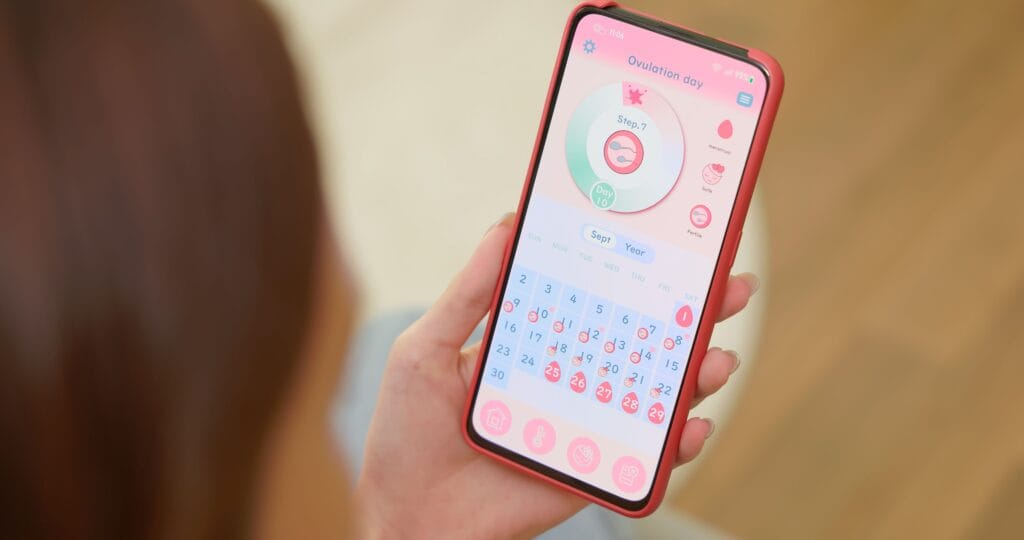
The single most common reason — and the most fixable. The egg is viable for only 12–24 hours. Sperm survives 3–5 days. So the best chance of conception is in the 5-day window leading up to and including ovulation day: roughly 2 days before, the day of, and 1 day after. Even a small timing mismatch can mean a missed cycle. Tracking with a fertility app, ovulation predictor kit, or follicular monitoring solves most of this.
2. Low Sperm Quality or Count
Male-factor issues contribute to roughly 40% of fertility difficulty — yet the male partner is often the last one tested. Pregnancy may not happen if sperm count is low, motility (movement) is weak, or morphology (shape) is abnormal. A simple semen analysis answers this in one test. Many cases respond well to lifestyle changes or treatments like IUI or, in more severe cases, ICSI.
3. Poor Egg Quality
Ovulation happening doesn’t guarantee the egg released is of high quality. Egg quality decreases with age (especially after 35), and can also be affected by PCOS, low ovarian reserve, chronic stress, nutritional deficiencies, smoking, and certain medical conditions. Egg quality affects both fertilisation and embryo development.
4. Fertilisation Doesn’t Occur
Sometimes sperm reaches the egg, but fertilisation simply doesn’t happen — due to biological incompatibility, subtle genetic factors, or cellular-level issues. These problems are often invisible without advanced fertility workup, which is one reason couples can be unaware until they begin investigation. Procedures like IVF and ICSI can directly address fertilisation failure.
5. Implantation Failure
Even after successful fertilisation, the embryo still has to attach to the uterine lining for pregnancy to truly begin. Implantation can fail when the uterine lining is too thin (under 7 mm), progesterone support is low, the lining is inflamed or not receptive, or there’s an underlying immune issue. This is one of the most common hidden reasons for not conceiving despite normal ovulation.
6. Blocked or Damaged Fallopian Tubes
The fallopian tubes are the pathway where fertilisation actually takes place. If they’re blocked or damaged, sperm can’t reach the egg — or the fertilised embryo can’t reach the uterus. Common causes include pelvic infections (PID), tuberculosis (a real concern in India), endometriosis, and previous pelvic surgery. A test called HSG (hysterosalpingography) checks tubal patency.
7. Uterine Conditions (Fibroids, Polyps, Adhesions)
The uterus has to provide a healthy environment for implantation. Fibroids, endometrial polyps, and adhesions (scar tissue from previous infection or surgery) can interfere with this — sometimes silently. A pelvic ultrasound or hysteroscopy identifies most of these, and many are straightforwardly treatable.
8. Lifestyle Factors
Day-to-day habits have a real, measurable impact on fertility for both partners. The factors that matter most include chronic high stress, poor nutrition (especially low protein), poor sleep, excessive exercise or physical strain, smoking, alcohol, obesity or rapid weight change, and vitamin deficiencies (especially vitamin D, folate, and B12). None of these alone causes infertility — but together they can quietly tip the odds against you.
9. Luteinized Unruptured Follicle (LUF) Syndrome
This is the one that catches many couples — and many less-thorough fertility writeups — completely off guard. In LUF syndrome, the follicle matures and even goes through the hormonal changes that look like ovulation, but the egg never actually leaves the follicle. On ultrasound, it can appear that ovulation happened — but in fact, the egg stayed trapped inside. Functionally, the cycle is non-ovulatory, and natural conception cannot occur. LUF is genuinely under-discussed and worth specifically asking your doctor about if “rupture” has been “confirmed” multiple times without pregnancy.
10. Underlying Medical Conditions
Some health conditions directly affect fertility and reduce the chances of conception even with normal-looking ovulation. The most common are PCOS (Polycystic Ovary Syndrome), thyroid disorders (both hypothyroid and hyperthyroid), endometriosis, autoimmune conditions, and insulin resistance. These affect hormonal balance, egg quality, and the uterine environment — and almost all are well-managed with proper diagnosis and treatment.

How Doctors Confirm That Ovulation Actually Happened
Because LUF and other ovulation issues exist, it’s worth knowing how a fertility specialist actually confirms ovulation — rather than assuming it from symptoms or app predictions:
- Follicular monitoring (serial ultrasound). The most reliable method. A mature follicle measures roughly 18–24 mm before rupture. Serial scans show the follicle growing and then collapsing — which is what confirms actual egg release.
- Free fluid in the pelvis. After rupture, a small amount of follicular fluid is often visible in the pouch of Douglas on ultrasound — a supporting sign of ovulation.
- Hormonal tracking. An LH (luteinizing hormone) surge 24–36 hours before ovulation can be tracked via a blood test or a urine kit. A rise in progesterone in the second half of the cycle is supportive evidence that ovulation likely occurred.
- Supporting indicators. Cervical mucus changes, endometrial thickening, and basal body temperature shifts — useful patterns, but not as definitive as ultrasound.
👩⚕️ When to consult a fertility specialist
- Trying for 12 months without success if you’re under 35
- Trying for 6 months without success if you’re 35 or older
- Irregular or unpredictable menstrual cycles
- Known PCOS, thyroid imbalance, or endometriosis
- History of miscarriage or previous fertility challenges
- Suspected male-factor concerns (low sperm count or motility)
- Several confirmed “egg ruptures” without pregnancy — LUF should be ruled out
Early evaluation prevents unnecessary delay. A specialist can recommend semen analysis, hormonal evaluation, follicular monitoring, and pelvic imaging to identify the exact cause.
What to Do When Egg Rupture Still not Pregnant — 5 Practical Steps
If ovulation is confirmed but pregnancy is still not happening, it is important to understand that this situation is more common than most people think. Many couples assume that once the egg is released, conception should happen quickly. However, as discussed earlier, fertilization and implantation are equally important steps, and delays can occur at any stage.
Instead of feeling discouraged, the focus should shift toward understanding your body better and taking the right, informed steps to improve your chances.
Track Your Fertile Window Accurately
Timing plays a critical role in conception. Since the egg survives only 12–24 hours after ovulation, intercourse must be well-timed within the fertile window.
Using ovulation predictor kits, tracking cervical mucus changes, or undergoing ultrasound follicular monitoring can help you identify the most fertile days with greater accuracy. Many couples miss this window unknowingly, which reduces their chances even when ovulation is regular.
Maintain a Healthy Lifestyle
Lifestyle has a direct impact on reproductive health. Small but consistent changes can improve fertility over time.
- Eat a balanced diet rich in nutrients
- Maintain a healthy weight
- Engage in moderate physical activity
- Ensure proper sleep and stress management
These factors help regulate hormones and support both egg and sperm quality.
Avoid Harmful Habits
Certain habits can negatively affect fertility in both men and women.
- Smoking can damage egg and sperm quality
- Alcohol can disrupt hormonal balance
- Excessive caffeine intake may reduce fertility potential
Reducing or eliminating these factors can improve your chances naturally.
Get Fertility Testing Done
If pregnancy is not happening despite regular ovulation, it is important to look beyond ovulation itself.
Basic fertility tests for both partners can help identify hidden issues such as:
- Sperm abnormalities
- Hormonal imbalances
- Tubal blockages
- Uterine conditions
Early testing prevents unnecessary delays and helps in choosing the right treatment path.
Seek Medical Guidance
Sometimes, natural methods may not be enough, and medical support becomes necessary. A fertility specialist can evaluate your condition in detail and recommend personalized treatment options.
These may include:
- Ovulation induction to improve egg quality
- Timed intercourse guidance
- IUI (Intrauterine Insemination)
- IVF (In Vitro Fertilization), if required

A Note from Dr. Shradha, Patna
At Shradha IVF & Maternity, every fertility case is personally evaluated by Dr. Shradha. The first consultation is free, and you can use the IVF Success Rate Calculator to understand your personal chances before making any decisions. If you’d like a clear picture of where you stand, that’s the calmest place to start.
You’re Not Alone — and the Answer Is Usually Findable
If your egg is rupturing but pregnancy keeps not happening, please don’t carry that worry by yourself. A free first consultation with Dr. Shradha can identify the exact reason — and the next step — for your specific situation.
Book a Free Consultation → 💬 WhatsApp UsFAQs on egg rupturing but not conceiving
Ovulation only releases an egg. Pregnancy also requires fertilisation and implantation. Common reasons it doesn't happen include incorrect timing of intercourse, low sperm quality, poor egg quality, blocked fallopian tubes, uterine conditions, implantation failure, lifestyle factors, LUF syndrome, or underlying conditions like PCOS or thyroid disorders.
There is no real difference. Both terms refer to the same event — the mature follicle in the ovary breaks open and releases the egg, making it available for fertilisation. "Egg rupture" is simply another name for ovulation, often used in scan re
The egg survives for about 12 to 24 hours after ovulation. During this short window, healthy sperm must reach and fertilise it. If fertilisation does not happen in this time, the egg dissolves and the body prepares for the next menstrual cycle.
A pregnancy test can be taken about 10 to 14 days after egg rupture. This allows time for fertilisation, embryo travel, implantation (6–10 days post-ovulation), and the hCG hormone to rise to detectable levels. Testing earlier often gives false negatives.
Sperm reaching the egg doesn't guarantee fertilisation. Biological incompatibility, genetic factors, or cellular-level issues can prevent successful fertilisation even when contact happens. After fertilisation, the embryo still needs to develop and implant — each step can independently fail.