

If you are trying to conceive or simply want to understand your body better, knowing your ovulation cycle is one of the most important steps. Many women focus only on period dates, but a key fertility signal often goes unnoticed—ovulation discharge. This natural change in your body can actually tell you when you are most fertile and when your chances of pregnancy are highest.
In cities like Patna, awareness around fertility tracking is still growing. Many women rely only on apps or guesswork, without understanding the biological signs their body gives every month. The truth is, your body already provides clear signals—especially through cervical mucus (vaginal discharge)—to help identify your fertile window.
Ovulation is the phase in your menstrual cycle when an egg is released from the ovary. This is the only time pregnancy can occur naturally. Around this phase, your body produces a specific type of discharge that helps sperm travel easily to the egg, increasing the chances of fertilisation.
This guide will help you understand:
- What fertile ovulation discharge looks like
- Different types of discharge during your cycle
- The phases of ovulation
How to identify your fertile window - When to seek expert help in Patna
Understanding these signs can make a significant difference in your fertility journey and help you plan pregnancy more effectively.
What is Ovulation?
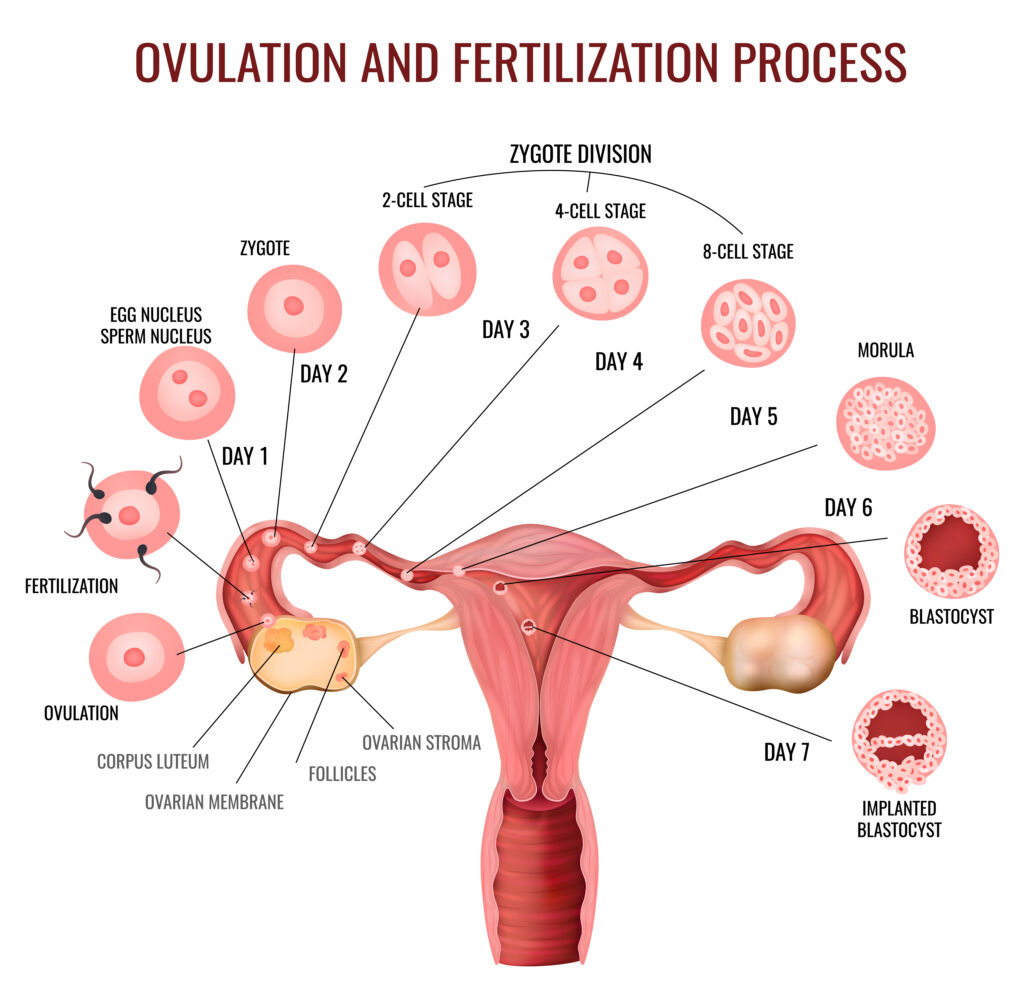
Ovulation is a natural biological process in which a mature egg is released from one of the ovaries. This typically happens once during each menstrual cycle. After the egg is released, it travels through the fallopian tube, where it may meet sperm and get fertilised.
In a regular 28-day cycle, ovulation usually occurs around Day 14. However, not all women have the same cycle length. Some may ovulate earlier or later, depending on hormonal balance, stress levels, lifestyle, and overall health.
The egg survives for about 12 to 24 hours after ovulation. This means that the window for fertilisation is quite short. However, sperm can survive in the female body for up to 3–5 days, which is why the days leading up to ovulation are also considered highly fertile.
Understanding ovulation is crucial because:
It determines your most fertile days
It helps in planning a pregnancy
It gives insight into your hormonal health
Tracking ovulation through physical signs like discharge is one of the simplest and most effective natural methods.
What is Fertile Ovulation Discharge?
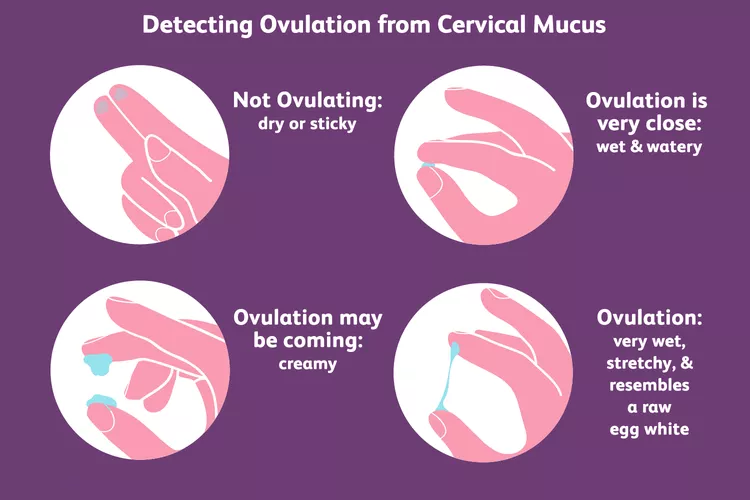
Fertile ovulation discharge refers to the cervical mucus that your body produces during the most fertile days of your menstrual cycle. This discharge changes in consistency and appearance due to hormonal fluctuations, especially rising estrogen levels.
During your fertile ovulation window, this discharge becomes:
- Clear
- Stretchy
- Slippery
- Similar to raw egg white
This texture is not random—it serves an important purpose. Fertile discharge helps sperm:
- Survive longer
- Move more easily through the cervix
- Reach the egg for fertilisation
In simple terms, this discharge creates the perfect environment for conception.
Why It Matters
Fertile discharge is one of the most reliable natural indicators of ovulation. Unlike apps or calendar methods, it reflects your body’s real-time hormonal changes.
Key Insight
When you notice egg-white-like discharge, it usually means:
- You are in your most fertile phase
- This is the best time to try for pregnancy
What are the Different Types of Vaginal Discharge Throughout the Ovulation Cycle?
Your discharge changes throughout the menstrual cycle, and each type indicates a different fertility level.
1. Dry or No Discharge (Post-Period)
- Occurs just after menstruation
- Very low fertility
- Estrogen levels are low
2. Sticky or Thick Discharge
- Slightly pasty texture
- Minimal fertility
- Sperm movement is difficult
3. Creamy Discharge
- White or lotion-like
- Fertility begins to increase
- Hormones are rising
4. Watery Discharge
- Light, fluid-like
- High fertility
- Sperm can move more easily
5. Egg-White Discharge (Most Fertile Stage)
- Clear, stretchy, slippery
- Peak fertility
- Best time to conceive
Understanding these changes can help you identify your fertile window without any medical tools.
What are the Different Ovulation Phases?
The menstrual cycle is a carefully regulated hormonal process, and understanding each phase in detail can help you identify your fertile window more accurately.
1. Menstrual Phase (Day 1–5)
This phase begins on the first day of your period. During this time, the uterus sheds its lining, leading to menstrual bleeding.
Estrogen and progesterone levels are at their lowest
- The body resets for a new cycle
- No chance of pregnancy during this phase
While this phase is not fertile, it is important because it sets the stage for the next cycle.
2. Follicular Phase (Day 6–13)
This phase overlaps with the menstrual phase but continues after bleeding stops.
- The brain releases FSH (Follicle Stimulating Hormone)
- Multiple follicles in the ovaries begin to mature
- One dominant follicle develops into a mature egg
- Estrogen levels rise steadily
As estrogen increases, the uterine lining thickens and cervical mucus begins to change. Initially, discharge may be minimal, but as ovulation approaches, it becomes more noticeable.
This phase can vary in length depending on your cycle, making it one of the key reasons ovulation timing differs among women.
3. Ovulation Phase (Around Day 14, but varies)
This is the most critical phase for conception.
- A surge in LH (Luteinizing Hormone) triggers ovulation
- The mature egg is released from the ovary
- The egg travels into the fallopian tube
The egg remains viable for 12–24 hours, but since sperm can survive up to 5 days, the fertile window includes the days leading up to ovulation.
During this phase:
- Cervical mucus becomes clear, stretchy, and slippery
- Sexual desire may increase
- Some women experience mild pelvic pain
- This is the peak fertility period, and timing intercourse during this window significantly improves the chances of pregnancy.
4. Luteal Phase (Day 15–28)
After ovulation:
- The body produces progesterone
- The uterine lining prepares for implantation
- Discharge becomes thicker and less fertile
If fertilisation occurs, pregnancy begins. If not, hormone levels drop, and the cycle restarts.
A healthy luteal phase is essential for sustaining early pregnancy. Short or irregular luteal phases can sometimes affect implantation success.
How to Count Ovulation Days Correctly Using an Ovulation Kit?
Ovulation predictor kits (OPKs) are one of the most reliable and user-friendly tools to identify your fertile window. These kits detect the surge of luteinizing hormone (LH) in your urine, which usually happens 24–36 hours before ovulation. Since this surge directly triggers the release of an egg, OPKs help you time intercourse more accurately for pregnancy.
When to Start Testing Fertile Ovulation?
The timing of starting the test depends on your menstrual cycle length.
- For a regular 28-day cycle, begin testing around Day 10 or 11
- For shorter cycles, start earlier
- For longer or irregular cycles, you may need to test for more days or track previous cycles to estimate your ovulation window
Starting too late can cause you to miss the LH surge, so it’s better to begin a little early.
How to Use an Ovulation Kit Correctly?
- Test once daily, preferably at the same time each day
- Late morning or early afternoon is often ideal, as LH levels are more detectable
- Avoid drinking excessive fluids before testing, as it can dilute the hormone
- Follow the instructions carefully—either dip the strip in urine or use a midstream test
Consistency is key to getting accurate results.
How to Interpret the Results?
- Positive Result: Two lines appear, and the test line is as dark or darker than the control line. This indicates an LH surge, meaning ovulation is likely within the next 24–36 hours
- Negative Result: No surge detected yet; continue testing daily
Best Time to Try for Pregnancy
Once you get a positive result:
- Try for pregnancy on the same day
- Continue for the next 1–2 days
This ensures sperm is present when the egg is released, maximising the chances of fertilisation.
Important Tips for Better Accuracy
- Combine OPKs with cervical mucus (discharge) tracking
- Track your cycle for a few months to understand patterns
- If results are consistently unclear or cycles are irregular, consult a specialist
Using an ovulation kit correctly can significantly improve your understanding of your cycle and increase your chances of conceiving naturally.
How to Identify Your Fertile Window Using Discharge?
Tracking your discharge daily can help you identify your fertile days accurately.
Steps to Follow:
- Observe discharge every day
Note changes in texture and colour - Look for egg-white consistency
Best Time to Try:
- 2–3 days before ovulation
- Day of ovulation
This is when your chances of getting pregnant are highest.
Signs of Ovulation Apart from Discharge
While cervical mucus is one of the most reliable indicators, your body provides several additional signs of ovulation.
1. Mild Pelvic Pain (Mittelschmerz)
Some women feel a slight pain or cramp on one side of the lower abdomen during ovulation. This occurs when the ovary releases the egg.
2. Increase in Basal Body Temperature
After ovulation, progesterone causes a slight increase in body temperature (0.3–0.5°C). Tracking this daily helps confirm ovulation.
3. Increased Libido
Hormonal changes often lead to a natural increase in sexual desire during the fertile window.
4. Breast Tenderness
Hormonal fluctuations can make breasts feel sore or sensitive.
5. Cervix Changes
During ovulation:
- The Cervix becomes softer
- Slightly open
- Positioned higher
6. Light Spotting (In Some Cases)
A small number of women may notice light spotting due to hormonal changes.
Combining these signs with discharge tracking provides a more accurate understanding of ovulation.
What are the Common Problems with Ovulation Discharge?
Sometimes, women may not notice typical fertile discharge.
Possible Issues:
- Very little discharge
- Irregular patterns
- No egg-white consistency
Common Causes:
- Hormonal imbalance
- PCOS
- Stress
- Poor nutrition
When Ovulation Discharge is Not Normal
Certain discharge patterns may indicate infection:
- Yellow or green color
- Foul smell
- Itching or irritation
In such cases, medical consultation is important.
Not all women experience clear or noticeable fertile discharge, which can make ovulation tracking confusing.
1. Low Cervical Mucus Production
Some women naturally produce less mucus, making it difficult for sperm to survive and travel.
2. Thick or Sticky Mucus Only
If discharge remains thick or sticky throughout the cycle, it may indicate a hormonal imbalance.
3. No Egg-White Discharge
Absence of fertile discharge can suggest:
- Delayed ovulation
- Anovulation (no ovulation)
4. Irregular Patterns
Unpredictable discharge patterns may be linked to:
5. Medical Causes
Conditions like:
- PCOS
- Thyroid disorders
- High prolactin levels
can affect mucus production.
Impact on Fertility
Poor-quality cervical mucus can:
- Reduce sperm survival
- Make fertilisation difficult
Myths vs Facts About Ovulation and Discharge
Myth 1: Ovulation always happens on Day 14
Fact: Ovulation varies for every woman and depends on cycle length and hormones.
Myth 2: More discharge means higher fertility
Fact: Only egg-white discharge indicates peak fertility, not all types.
Myth 3: No discharge means no ovulation
Fact: Some women ovulate without noticeable discharge.
Myth 4: You can get pregnant anytime in the cycle
Fact: Pregnancy is only possible during the fertile window.
Myth 5: Apps can perfectly predict ovulation
Fact: Apps provide estimates, but body signals are more accurate.
Myth 6: Irregular cycles mean infertility
Fact: Irregular cycles can be treated, and pregnancy is still possible.

When to Consult a Fertility Specialist in Patna?
You should consider consulting a specialist if:
- Trying for 6–12 months without success
- Irregular or absent period
- No signs of ovulation
- Early consultation improves treatment success.
How Shradha IVF Can Help?
Fertile ovulation discharge is a natural and powerful indicator of your fertility. By understanding your body’s signals and tracking your ovulation phases, you can significantly improve your chances of conception. For women in Patna, getting the right guidance at the right time is essential. Shradha IVF provides comprehensive fertility support tailored to individual needs.
The approach starts with accurate diagnosis, including ovulation tracking, hormonal evaluation, and ultrasound monitoring. This helps identify whether ovulation is occurring normally and whether discharge patterns align with fertility. Based on the findings, a personalised treatment plan is created. This may include:
- Ovulation induction
- Hormonal balance treatment
- Lifestyle guidance
For couples facing difficulty in conceiving naturally, advanced solutions like IVF are available to improve success rates in Patna.
What makes the care approach effective is the focus on:
- Individual fertility patterns
- Emotional well-being
- End-to-end treatment under one roof
FAQs on Fertile Ovulation Discharge
Creamy discharge usually appears before ovulation and indicates that fertility is increasing, but it is not the peak fertile stage. Ovulation is more likely when discharge becomes clear and stretchy. Creamy mucus signals that your body is approaching the fertile window.