

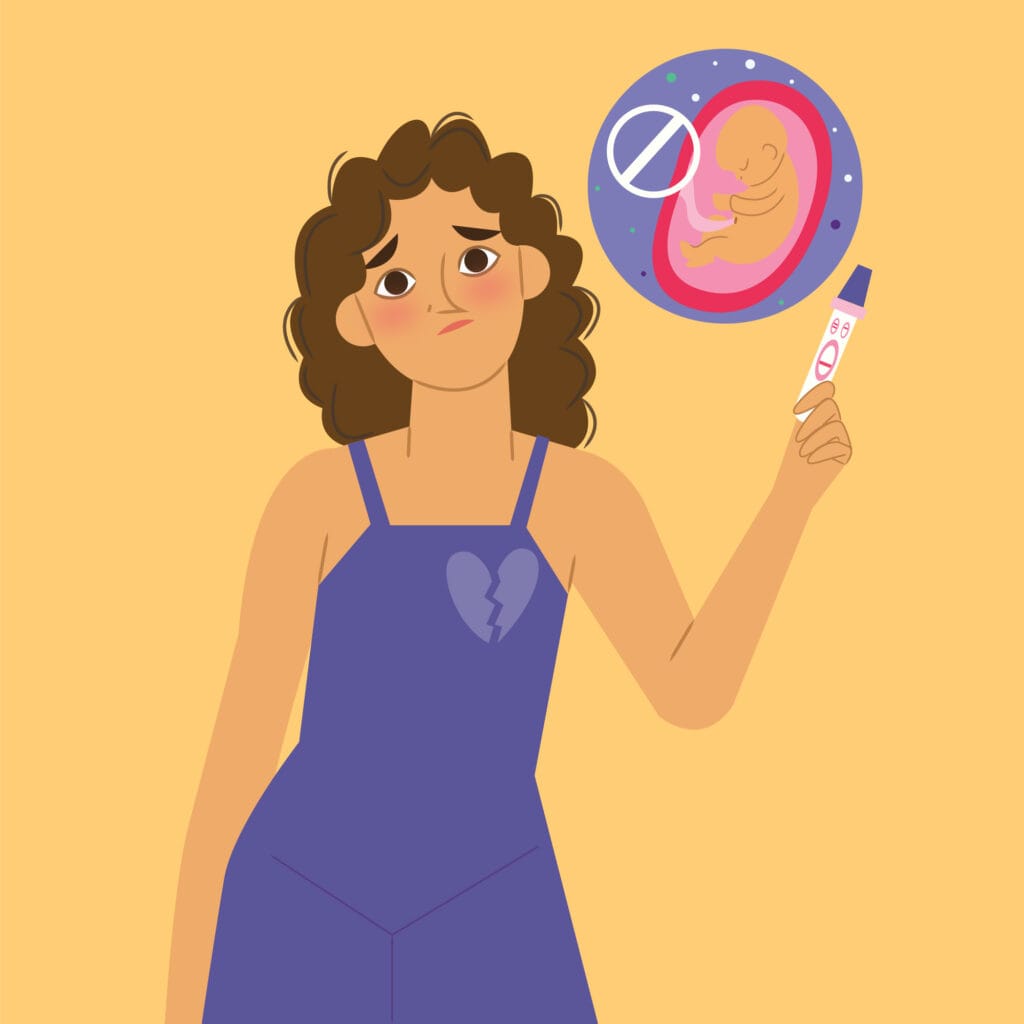
When IVF fails, it doesn’t just fail medically—it fails emotionally, financially, and mentally. I’ve seen couples walk into fertility clinics in Patna carrying years of hope, family pressure, and silent prayers, only to hear the most painful words after embryo transfer: “The result is negative.”
The first reaction is usually shock. The second is self-blame. Many women ask, “What did I do wrong?” Many men quietly wonder if it was their fault. Families start suggesting remedies, temple visits, or clinic changes—often without understanding what IVF failure truly means.
The reality is this: IVF failure is common, medically expected, and often temporary. Globally, IVF success rates per cycle range between 30–40%, depending on age, health conditions, and treatment quality. This means more than half of IVF cycles do not result in pregnancy, even in the best centres.
For couples in Patna and Bihar, where IVF is often attempted after many years of infertility, this failure feels even heavier. But one failed IVF cycle does not mean the end of the journey. In many cases, it is the beginning of a better-planned, more successful treatment.
In this detailed guide, I will explain:
- What IVF failure really means
- The medical and non-medical reasons IVF fails
- What to do immediately after an IVF failure
- How to reduce the chances of IVF failing again
- What couples in Patna should realistically expect
What Does “IVF Fail” Actually Mean?
Most people think IVF failure means “pregnancy nahi hui.” Medically, it is more complex.
IVF can fail at different stages, and each stage has different reasons and solutions.
IVF failure may occur when:
- Eggs are not retrieved properly
- Eggs do not fertilise
- Embryos stop growing in the lab
- Embryos look good but do not implant
- Pregnancy starts but ends very early
Understanding where IVF failed is critical. Without this clarity, repeating IVF blindly often leads to repeated failure.
This is why IVF is not just a procedure—it is a process that needs evaluation, patience, and adjustments.
Medical Reasons Why IVF Fails
1. Poor Embryo Quality – The Most Common Reason
The most frequent cause of IVF fail is poor embryo quality.
Embryos are formed using eggs and sperm. If either is weak, the embryo may:
- Stop growing
- Fail to implant
- Result in early miscarriage
Egg quality declines naturally with age, especially after 35. In Bihar, many couples delay IVF due to:
- Social stigma
- Financial concerns
- Lack of fertility awareness
By the time IVF is attempted, egg quality may already be compromised.
However, age is not the only factor. Hormonal imbalance, PCOS, and lifestyle issues can also affect egg quality even in younger women.
2. Egg Quality Issues
Sometimes eggs are retrieved in good numbers but still do not result in healthy embryos.
Common reasons include:
- Low ovarian reserve (low AMH levels)
- PCOS causing immature eggs
- Poor response to stimulation medicines
- Oxidative stress due to lifestyle factors
Egg quality is about how healthy the egg is, not how many eggs are retrieved.
3. Sperm Quality Problems – Often Ignored
In Indian society, infertility is often silently blamed on women. Medically, this is incorrect.
Male factors contribute to nearly half of infertility cases.
Sperm-related causes of IVF failure include:
- Low sperm count
- Poor sperm movement
- Abnormal sperm shape
- DNA damage inside sperm
Even when sperm count appears normal, DNA fragmentation can prevent healthy embryo development.
Common contributors seen in Bihar include:
- Smoking and tobacco chewing
- Alcohol consumption
- Long working hours and stress
- Heat exposure (laptops, tight clothing)
4. Uterine and Endometrial Problems
A healthy embryo still needs a welcoming uterus.
IVF may fail if:
- Endometrial lining is too thin
- Blood flow to uterus is poor
- Fibroids or polyps distort the cavity
- Adenomyosis affects implantation
- Previous infections or surgeries caused scarring
Implantation is a highly sensitive process. Even minor uterine issues can prevent success.
5. Hormonal Disorders
Hormones guide every step of IVF—from egg development to implantation.
Common hormonal problems include:
- Thyroid imbalance
- High prolactin levels
- Poorly controlled diabetes
- Luteal phase defects
These conditions are common but often under-treated.
6. Genetic and Chromosomal Issues
Many embryos naturally have chromosomal abnormalities. These embryos usually fail to implant or lead to early miscarriage.
This is nature’s quality control—not a medical mistake.
Lifestyle and Environmental Factors That Increase IVF Failure
Medical treatment alone is not enough.
Stress and Mental Health
Chronic stress affects hormone balance, sleep, and immune response. IVF itself causes anxiety, fear, and emotional exhaustion.
Weight and Metabolism
Both obesity and being underweight reduce IVF success. Urban lifestyles in Patna are increasingly linked to metabolic issues.
Smoking, Alcohol, and Tobacco
Even “occasional” use damages egg and sperm quality.
Nutrition Deficiencies
Iron deficiency, vitamin D deficiency, and low protein intake are common and negatively affect fertility.
IVF Failed — What Should You Do Next?
1. Allow Emotional Healing
IVF failure causes grief. Ignoring emotional pain and rushing into another cycle often leads to burnout.
2. Review the IVF Cycle in Detail
Every IVF cycle produces data:
- Egg quality
- Fertilisation rate
- Embryo development
- Transfer conditions
This information must be analysed before repeating treatment.
3. Identify Correctable Factors
Many IVF failures are due to factors that can be improved.
4. Consider a Second Opinion
A second opinion is not a rejection—it is part of responsible fertility care.
How to Avoid IVF Failure in the Next Cycle
1. Pre-IVF Preparation (3–6 Months)
Eggs and sperm need time to improve. Preparation includes:
- Balanced nutrition
- Medical supplements
- Stress reduction
- Proper sleep
2. Treat Underlying Conditions
Thyroid, PCOS, diabetes, uterine issues must be corrected before retrying IVF.
3. Personalised Treatment Protocols
Every body responds differently. Customised stimulation improves outcomes.
4. Improve Endometrial Receptivity
Endometrial thickness, blood flow, and hormone timing must be optimised.
5. Emotional and Psychological Support
Mental health directly affects treatment adherence and outcomes.
Repeated IVF Failure: When IVF Fails More Than Once
When IVF fails once, it is painful. When IVF fails twice or more, the pain changes shape. It becomes heavier, quieter, and more frightening. Many couples in Patna come to this stage asking a very difficult question: “Will IVF ever work for us?”
Medically, repeated IVF failure is usually defined as failure to achieve pregnancy after two or more good-quality embryo transfers. This does not mean the chances are over. It means the approach needs to change.
At this stage, repeating the same IVF protocol without deeper investigation often leads to the same outcome. Repeated IVF failure demands deeper evaluation, not just stronger medicines.
Common Reasons Behind Repeated IVF Failure
1. Implantation Failure
Sometimes embryos look healthy but still do not implant. This condition is called recurrent implantation failure.
Possible causes include:
- Endometrial receptivity problems
- Timing mismatch between embryo and uterus
- Immune-related factors
- Poor blood flow to the uterus
Implantation is a precise biological event. Even small disruptions can prevent pregnancy.
2. Undiagnosed Uterine Conditions
In some cases, basic scans miss subtle problems such as:
- Mild adenomyosis
- Chronic endometrial inflammation
- Small fibroids affecting blood supply
Advanced imaging or diagnostic procedures may be required after repeated IVF fail.
3. Genetic Factors
Some couples carry genetic variations that increase embryo chromosomal abnormalities. This becomes more relevant when IVF repeatedly fails despite good embryos.
4. Cumulative Emotional and Physical Fatigue
Repeated IVF cycles exhaust the body and mind. Hormonal stress, injections, procedures, and emotional disappointment can affect hormone balance and immune response, indirectly reducing success chances.
Should You Change the IVF Centre After Failure?
This is a sensitive question, especially in cities like Patna where options may feel limited.
Changing a clinic is not about blame. It may be worth considering if:
- You were not given clear explanations after IVF failure
- Treatment felt rushed or standardised
- Reports were not discussed in detail
- Emotional support was missing
A good fertility centre should:
- Explain why IVF may have failed
- Offer a clear plan for improvement
- Set realistic expectations
- Encourage questions, not silence them
Trust and transparency matter as much as technology.
Financial Stress and IVF Failure: A Reality in Bihar
In Bihar, IVF is a major financial decision. Many families borrow money, sell assets, or depend on relatives. When IVF fails, the financial pressure becomes overwhelming.
This stress itself can affect:
- Mental health
- Treatment adherence
- Decision-making
It is important to:
- Discuss costs clearly before the next cycle
- Understand which tests or procedures are essential
- Avoid unnecessary add-ons without clear benefit
A well-planned IVF cycle is always better than multiple rushed ones.
Emotional Impact of IVF Failure on Couples
IVF failure affects partners differently.
- Women often internalise blame and guilt
- Men often suppress emotions and focus on finances
- Communication between partners may reduce
In Bihar’s social environment, couples may also face:
- Family pressure
- Social silence around infertility
- Unwanted advice or blame
Seeking counselling or emotional support is not weakness. It is a form of treatment.
Natural Pregnancy After IVF Failure: Is It Possible?
Surprisingly, yes. Some couples conceive naturally after IVF failure.
Reasons include:
- Improved lifestyle and health during IVF preparation
- Stress reduction after stopping treatment
- Correction of hormonal or metabolic issues
IVF failure does not mean natural pregnancy is impossible. Fertility is dynamic, not fixed.
When Should You Consider Alternatives After IVF Fail?
After multiple IVF failures, couples may discuss alternatives such as:
- Changing treatment strategy
- Taking a longer break
- Exploring donor options (if appropriate)
These decisions are deeply personal and should never be rushed or forced.
How Many IVF Failures Are Normal?
- One IVF fail: common
- Two IVF fails: detailed evaluation needed
- Three IVF fails: advanced assessment required
Repeated IVF failure does not mean pregnancy is impossible.
IVF Success in Patna, Bihar — What Matters Most
Success depends on:
- Experience of the fertility team
- Lab quality
- Honest counselling
- Patient-centred planning
Choosing the right approach matters more than rushing cycles.
Conclusion: IVF Failure Is Not the End
IVF failure is painful, but it is not a final answer. It is a pause, not a full stop.
With proper evaluation, medical correction, emotional support, and a personalised plan, many couples in Patna and Bihar achieve pregnancy even after IVF failure.
Science improves. Bodies heal. Hope remains.