OHSS During IVF: Are Your Cramps Normal or a Warning Sign? (Red Flags & What To Do Now)
“I’m having cramps, bloating, or sudden weight gain during IVF injections or after egg retrieval—could this be OHSS, and when should I call my doctor urgently?”
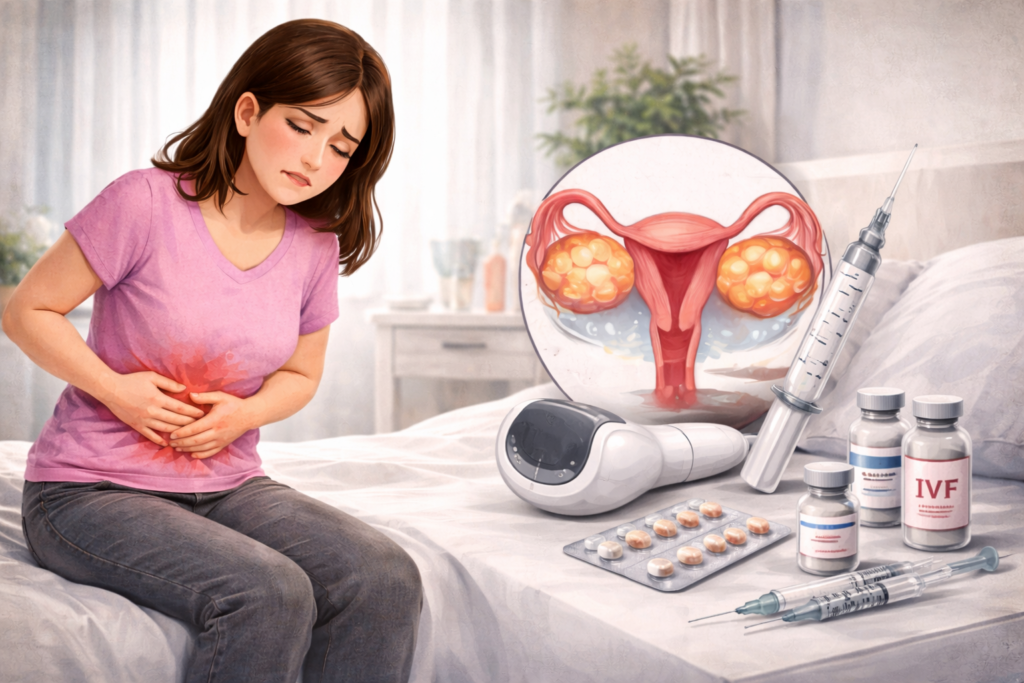
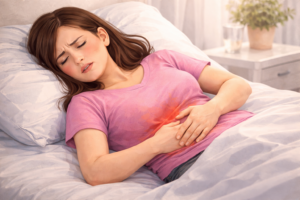
If you are in the middle of IVF stimulation (injections) or you’ve recently had egg retrieval, mild cramping and heaviness can happen. But sometimes, those symptoms are the first signs of OHSS (Ovarian Hyperstimulation Syndrome)—a condition that can become serious if ignored.
This guide will help you:
Understand what OHSS is
Know why it happens
Recognize red flags that need urgent medical advice
Know what your clinic may do and how to monitor safely at home
Important: This article is educational. If you feel your symptoms are worsening, don’t self-treat—contact your fertility team.
Long-Tail Keyword to Target (Low Difficulty, High Intent)
OHSS symptoms after IVF egg retrieval cramps bloating, rapid weight gain when to call doctor
Secondary keyword:
“cramps and bloating during IVF stimulation—could it be OHSS?”
What is OHSS (Ovarian Hyperstimulation Syndrome)?
OHSS is a complication that can happen after ovarian stimulation (IVF injections), when the ovaries respond strongly and become enlarged, and fluid can shift from blood vessels into the abdomen (and sometimes the chest).
This can cause:
Bloating
Pain
Nausea
In severe cases: dehydration, breathing difficulty, and blood clots
Most cases are mild, but the reason doctors take OHSS seriously is that a minority of cases can worsen quickly, especially around the time of trigger, egg retrieval, and early pregnancy.
Why Cramps Happen in IVF (And When to Worry)
Mild cramps can be normal in IVF due to:
Ovaries growing (they feel “heavy”)
Constipation/gas (very common during stimulation)
Progesterone medicines (after retrieval/transfer)
Mild pelvic soreness after egg retrieval
Cramps may be a warning sign when they come with:
Rapidly increasing bloating or tight abdomen
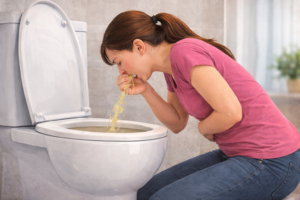
Nausea/vomiting
Reduced urination
Sudden weight gain
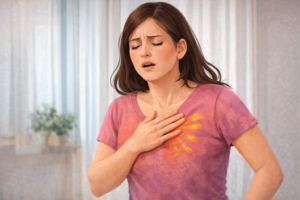
Breathlessness
That cluster of symptoms is classic for OHSS severity progression.
When Does OHSS Start? (Timing Helps You Judge Risk)
OHSS is often discussed as:
Early OHSS: Usually within a few days after the trigger/egg retrieval
Late OHSS: Can appear later and may worsen if pregnancy occurs (pregnancy hormone can amplify symptoms)
Your clinic’s monitoring and precautions are based on this pattern.
Who Is at Higher Risk for OHSS?
You are at higher risk if you have:
PCOS
A very strong response (many follicles)
High estradiol levels during stimulation
A history of OHSS
These risk factors are highlighted in patient education and fertility guidance.
The Most Important Section: Red Flags (Call Your Doctor Urgently)
If you are experiencing IVF cramps plus any of the signs below, contact your clinic immediately (same day). If symptoms are severe and you can’t reach your clinic, go to emergency care.
🚩 Emergency / Urgent Warning Signs
1) Breathlessness or chest pain
This can happen if fluid shifts upward or if a clot occurs.
2) Very little urine / dark urine
A sign your body is dehydrated and blood volume is reduced.
3) Rapid weight gain (especially within 24 hours)
Mayo Clinic lists rapid weight gain (>1 kg in 24 hours) as a severe sign.
4) Severe or worsening abdominal pain / very tight abdomen
Not “mild heaviness”—pain that is escalating or severe.
5) Persistent vomiting (can’t keep fluids down)
This can worsen dehydration quickly.
6) Swollen/tender leg or leg pain (possible blood clot)
RCOG warns about thrombosis symptoms, including leg swelling/tenderness and chest symptoms.
What is the Difference Between Mild vs Moderate vs Severe OHSS?
| Level | Typical Symptoms | What Usually Happens |
|---|---|---|
| Mild | Mild bloating, mild abdominal discomfort | Home advice + close monitoring |
| Moderate | Increasing bloating, nausea, noticeable weight gain | Clinic review, ultrasound, sometimes blood tests |
| Severe | Rapid weight gain, very low urine, severe pain, breathlessness, dehydration, clot symptoms | Urgent evaluation; may need hospital care |
What Actually Happens Inside the Body (Easy Science)
In a strong ovarian response, the ovaries release substances that make blood vessels more “leaky.” Fluid moves out of the bloodstream into the abdomen.
That leads to:
Bloating and abdominal distension
Thicker blood (hemoconcentration) → increases clot risk
Less circulating fluid → reduced urine, dehydration
In severe cases, fluid may collect higher up, causing breathing difficulty
This is why OHSS is not only about “big ovaries”—it can affect the whole body.
What Your IVF Clinic May Do (So You Know What to Expect)
Your doctor may:
Check vitals (pulse, BP, oxygen)
Do an ultrasound (ovary size + free fluid)
Do blood tests in moderate/severe cases (to assess concentration, kidney function, electrolytes)
Guide fluids and monitoring
In higher-risk situations, consider clot prevention and hospital observation as needed (doctor-decided)
Mayo Clinic outlines diagnosis methods like physical exams, weight/waist change, and ultrasounds showing enlarged ovaries.
RCOG guidance covers overall management principles.
What You Can Safely Do at Home While Contacting Your Clinic
These steps help your doctor make faster, safer decisions:
✅ Track These 4 Things (Write Them Down)
Weight once daily (same time)
Urine frequency/volume (rough idea is fine)
Belly size/tightness (some clinics use abdominal girth)
Vomiting episodes and the ability to drink fluids
✅ Lifestyle Precautions
Avoid heavy exercise and intercourse (enlarged ovaries are fragile; your clinic will advise pelvic rest in high responders).
Take only doctor-approved pain relief.
If vomiting or unable to drink → urgent care (dehydration can worsen OHSS fast).
Why Early Action Matters in Severe OHSS?
Severe OHSS can lead to:
Dehydration and kidney strain
Blood clots (legs or lungs)
Breathing issues
That’s why reputable guidance emphasizes reporting unusual symptoms early.
Can OHSS Be Prevented?
Modern IVF has greatly reduced severe OHSS by using risk-based stimulation plans, careful monitoring, and evidence-based prevention strategies. The ASRM guideline is dedicated to the prevention and treatment of moderate/severe OHSS.
If you are a high responder (PCOS/high AMH/high follicle count), prevention planning is part of ethical IVF care.
FAQs
1. How soon after IVF can OHSS symptoms begin?
OHSS symptoms typically appear 3 to 7 days after egg retrieval and may worsen if pregnancy occurs.
2. What’s the difference between mild, moderate, and severe OHSS?
Mild causes bloating and discomfort, moderate includes nausea and weight gain, severe involves breathing difficulty and fluid buildup.
3. Can OHSS occur after embryo transfer or only after egg retrieval?
OHSS usually begins after egg retrieval but can worsen after embryo transfer if pregnancy triggers rising hCG levels.
4. Does pregnancy increase the risk of OHSS?
Yes, pregnancy can prolong and intensify OHSS symptoms due to increased hCG hormone production.
5. Can exercise make OHSS worse?
Strenuous exercise may worsen discomfort and increase ovarian torsion risk during active OHSS.
6. Are there long-term complications from OHSS?
Most cases resolve completely, but severe untreated OHSS may rarely cause blood clots or serious complications.