

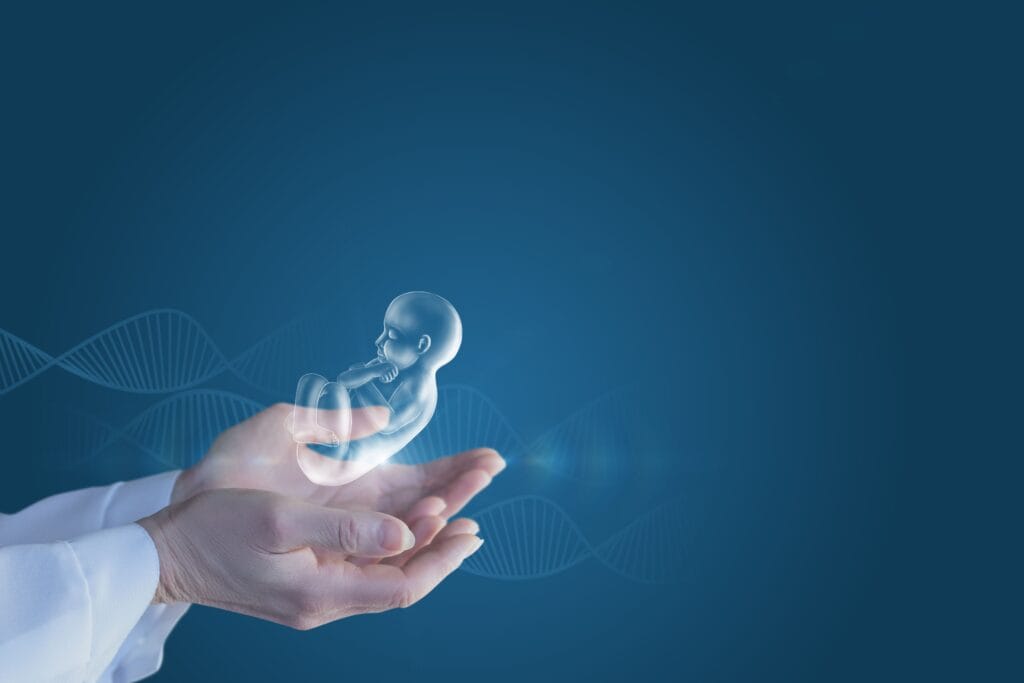
🌸 IVF: When Science Redefines Hope
🌸 When Science Redefines Hope
IVF is not magic — it’s the perfect blend of science and preparation.
💔 Did You Know? IVF Is Not a Guarantee
💔 Did You Know? IVF Is Not a Guarantee
Even in the world’s most advanced fertility centers, only 3 to 4 women out of every 10 achieve pregnancy in a single IVF cycle.
Even in the world’s most advanced fertility centers, only 3 to 4 women out of every 10 achieve pregnancy in a single IVF cycle.
But that does
n’t mean IVF doesn’t work — it simply means your body must be scientifically ready for IVF to succeed.
🔹 Why Does IVF Fail? — The Main Scientific Reasons
🔹 Why Does IVF Fail? — The Main Scientific Reasons
1️⃣ Poor Egg Quality
1️⃣ Decreased Egg Quality
As a woman ages, her egg quality and chromosomal balance naturally decline. This leads to embryos that form but fail to implant
or grow normally.
📘 Fertility & Sterility, 2022 — Women over 35 have up to a 40% decline in embryo quality.
📘 Fertility & Sterility, 2022 — Women over 35 have up to a 40% decline in embryo quality.
2️⃣ Thin or Inflamed Uterine Lining
2️⃣
A healthy endometrium (uterine lining) is vital for implantation.
If it’s thinner than 7 mm or inflamed, the embryo cannot attach properly.
If the uterine lining (endometrium) is thinner than 7 mm or inflamed, the embryo cannot attach properly, which can lead to IVF failure.
📘 Reproductive Biology & Endocrinology, 2023 — Thin or inflamed lining reduces implantation by up to 60%.
📘 Reproductive Biology & Endocrinology, 2023 — Thin or inflamed lining reduces IVF success by up to 60%.
3️⃣ Hormonal Imbalance
3️⃣ Hormonal Imbalance
When key reproductive hormones (Estrogen, Progesterone, Thyroid, LH, FSH) are imbalanced,
the uterine environment becomes less receptive to the embryo.
Due to imbalance of hormones like Estrogen, Progesterone, Thyroid, LH, FSH, the uterus is unable to accept the embryo.
📘 Journal of Endocrinological Investigation, 2021 — Untreated thyroid imbalance reduces IVF success by up to 40%.
📘 Journal of Endocrinological Investigation, 2021 — Untreated thyroid imbalance reduces IVF success rates by up to 40%.
4️⃣ High Inflammation
4️⃣
Chronic inflammation or poor gut health can disturb hormonal balance and embryo acceptance.
Long-term inflammation or poor digestive system directly affects the success of IVF.
📘 Human Reproduction Update, 2023 — Systemic inflammation independently lowers implantation potential.
📘 Human Reproduction Update, 2023 — Systemic inflammation independently lowers IVF implantation potential.
👩⚕️ What IVF Does — And What Your Body Must Do
👩⚕️ What IVF Does — And What Your Body Must Do
IVF scientifically performs two major steps:
Fertilizes the egg
Transfers the embryo into the uterus
**The scientific process of IVF takes place in two steps –
fertilization of the egg
Transfer of the embryo into the uterus**
After that, your body must:
Nourish the embryo
Support implantation
Maintain early pregnancy
Next, your body nourishes the embryo, supports it in the womb, and maintains early pregnancy.
If the body is
n’t ready, implantation fails or early miscarriage may occur .
🌿 Scientifically Proven Ways to Improve IVF Success
🌿 Scientific Ways to Improve IVF Success
✅ 1. Heal Your Gut & Reduce Inflammation
✅ Heal Your Gut & Reduce Inflammation
Include probiotics (curd, yogurt), turmeric, omega-3s, and green vegetables.
Avoid excess sugar and processed food.
Include yogurt, probiotics, turmeric, omega-3s, and green vegetables.
Avoid excess sugar and processed food.
📘 Journal of Reproductive Immunology, 2022 — Low-inflammation diet improves uterine receptivity.
📘 Journal of Reproductive Immunology, 2022 — Low-inflammation diet improves uterine receptivity.
✅ 2. Improve Egg & Sperm Quality
✅ Improve Egg & Sperm Quality
Add CoQ10, zinc, vitamin E, and D supplements under medical supervision. Avoid smoking, alcohol
, and late-night stress.
📘 Fertility & Sterility, 2022 — CoQ10 improves mitochondrial health in aging eggs.
📘 Fertility & Sterility, 2022 — CoQ10 improves mitochondrial health in aging eggs.
✅ 3. Maintain Hormonal Balance
✅
Yoga, meditation, and
restful sleep regulate hormone levels.
Treat thyroid and insulin resistance on time.
Timely treatment of thyroid and insulin imbalance is essential.
📘 Endocrine Connections, 2021 — Restoring hormonal balance improves IVF outcomes.
📘 Endocrine Connections, 2021 — Restoring hormonal balance improves IVF outcomes.
✅ 4. Strengthen Uterine Lining
✅
Eat vitamin E- and iron-rich foods, exercise lightly, and take prescribed progesterone.
Eat vitamin E- and iron-rich foods, exercise lightly, and take prescribed medications regularly.
📘 RBMO Journal, 2023 — Endometrial therapy improves implantation by up to 60%.
📘 RBMO Journal, 2023 — Nourishing the uterine lining increases the chance of IVF implantation by up to 60%.
📊 Conclusion: IVF Success Depends on Preparation
📊 Conclusion: IVF Success Depends on “Preparation”
IVF plants the seed of life —
but it’s your body that nurtures it to grow.
IVF plants the seed of life —
but it’s your body that nurtures it to grow.
📘 Reproductive BioMedicine Online, 2023 — Women who prepared before IVF had 70% higher live-birth rates.
📘 Reproductive BioMedicine Online, 2023 — Women who prepared before IVF had 70% higher live birth rates.

🌸 Complete preparation for the IVF journey:
Leave your next cycle to science and preparation, not luck.
“Sometimes hope isn’t lost; it just takes a little more preparation of the body and mind.”
Every couple who has undergone IVF knows that it’s not just a treatment—it’s a confluence of emotions, patience, and science.
But did you know that IVF success doesn’t just depend on the lab?
Your body, lifestyle, and mental preparation all play a role in creating success.
So let’s find out – what preparations are necessary at each stage of the IVF journey, and what scientific reasons make these steps effective.
Your Body, Mind, and Hope Scientifically
“Sometimes success doesn’t require another miracle — just a little more preparation.”
For couples undergoing IVF, it’s more than a treatment — it’s a journey of emotions, patience, and science.
But success in IVF isn’t determined only by the lab or the doctor.
Your body, lifestyle, and mindset play equally vital roles.
Let’s explore the scientifically proven steps that can help you prepare your body and mind for your next IVF cycle — and increase your chance of success.
🔹 Step 1: Initial Assessment — Correct diagnosis is the first solution
Before starting IVF, your doctor will conduct a thorough examination of you and your partner.
This includes:
Female tests: AMH (Anti-Müllerian Hormone) and AFC (Antral Follicle Count) — these indicate how many eggs are remaining in the ovaries.
Male tests: Semen analysis (sperm count, motility, and shape).
Other tests: Uterus, hormone levels, thyroid, sugar, vitamin D, and screening for infections.
📘 Reference: NIH, NCBI Book – Assisted Reproductive Technology, 2023
➡️ Why it’s important:
IVF often fails because the underlying cause (such as hormonal imbalances or thyroid problems) wasn’t identified early. Proper diagnosis helps create a personalized treatment plan.
Step 1: Baseline Evaluation — The Foundation of Success
Before starting IVF, your doctor will conduct comprehensive fertility assessments for both partners.
For women:
AMH (Anti-Müllerian Hormone) and AFC (Antral Follicle Count) help estimate egg reserve.
Uterus and hormone evaluation ensure a healthy reproductive environment.
For men:
Semen analysis checks sperm count, motility, and morphology.
Other tests: Thyroid, Vitamin D, sugar levels, infection screening.
📘 Reference: NIH – Assisted Reproductive Technology 2023
✅ Why this matters:
Many IVF failures occur due to undiagnosed metabolic or hormonal disorders. Proper baseline evaluation ensures a personalized treatment plan.
🔹 Step 2: Preparing the Body — Pre-Cycle Optimization
IVF is not just about medication, but also about your physical condition.
During this stage, doctors consider the following:
Controlling thyroid, sugar and BMI
Maintaining a healthy weight
Nutritious food (omega-3, iron, folate, zinc)
Adequate sleep and light exercise
🧠 Research shows:
Women who improved their lifestyle for 3-6 months before IVF had up to 70% higher live birth rates.
📘 Source: Reproductive BioMedicine Online Journal (2023)
Step 2: Pre-Cycle Optimization — Get Your Body IVF-Ready
Your lifestyle directly impacts egg, sperm, and uterine health.
The pre-cycle period (3–6 months before IVF) is crucial for metabolic and hormonal readiness.
Focus on:
Maintaining a healthy BMI (19–25)
Controlling thyroid and sugar
Nutrient-rich diet (omega-3, folate, zinc, antioxidants)
Quality sleep and light exercise
Avoiding smoking, alcohol, or excessive caffeine
🧠 Research shows:
Women who optimized metabolic health before IVF had up to 70% higher live-birth rates.
📘 Source: Reproductive BioMedicine Online Journal, 2023
🔹 Step 3: Mental and emotional preparation — because IVF is also won with the mind
The IVF process is long and emotionally challenging.
Numerous studies have shown that stress doesn’t directly affect the outcome,
but patience, a positive attitude, and a supportive environment can help keep you mentally strong.
🩵 संदर्भ: Society for Assisted Reproductive Technology (SART), 2022
➡️ Advice:
Maintain communication with your partner.
Talk openly with a doctor or counselor.
Try meditation, pranayama, or gentle yoga.
Step 3: Emotional & Mental Preparation — IVF Is Also a Psychological Marathon
IVF brings hope — and anxiety. Studies show that stress doesn’t reduce IVF success,
but a calm, emotionally supported mind improves adherence and overall well-being.
💡 Tips:
Keep open communication with your partner.
Join support groups or fertility counselling sessions.
Practice yoga, deep breathing, or meditation.
📘 Reference: SART – Preparing for IVF Emotional Considerations 2022
🔹 Step 4: Ovarian Stimulation — The Body’s Scientific Symphony
Now begins the “scientific” part of IVF—stimulating the ovaries to produce more eggs.
Doctors administer hormone injections and monitor egg growth with regular ultrasounds.
➡️ Why it’s done:
Because more quality eggs in an IVF cycle = greater chance of success.
⚠️ Remember—every woman’s response is different. Therefore, your doctor will determine your dosage based on your AMH and AFC.
📘 संदर्भ: European Society of Human Reproduction and Embryology (ESHRE) Guidelines 2023
Step 4: Ovarian Stimulation — The Scientific Symphony
This is where IVF truly begins.
Doctors administer hormonal injections to stimulate multiple follicles, increasing the number of eggs retrieved.
➡️ Why it’s done:
More high-quality eggs = higher chance of healthy embryos.
Dosages are tailored based on AMH, AFC, and age.
Monitoring is done through ultrasound and blood tests.
📘 Reference: ESHRE Guidelines 2023
⚠️ Always follow your clinic’s schedule strictly to prevent overstimulation (OHSS).
🔹 Step 5: Oocyte Retrieval and Embryo Formation
The eggs are removed and combined with sperm in a lab.
If sperm counts are low or weak, ICSI (single sperm fertilization) is performed.
During this time:
The procedure is performed under mild anesthesia.
Gentle rest and a liquid diet are recommended afterward.
Source: NIH, NCBI Bookshelf – ART Procedure 2023
Step 5: Egg Retrieval & Fertilization
Eggs are collected under mild anesthesia and sent to the IVF lab.
Fertilization happens either through conventional IVF or ICSI (injecting a single sperm into each egg).
➡️ Post-retrieval care:
Light rest, hydration, and prescribed medications.
📘 Reference: NIH – ART Procedure 2023
🔹 Step 6: Embryo Transfer – The most delicate moment of hope
This is the heart of the IVF journey.
The best embryo is placed into the uterus with utmost care.
➡️ Key to success:
A thick and healthy endometrium.
According to ESHRE, an 8-12 mm layer is considered optimal for implantation.
📘 स्रोत: Reproductive Biology and Endocrinology Journal 2023
Step 6: Embryo Transfer — The Moment of Hope
The best-quality embryo(s) are carefully transferred into the uterus.
➡️ Critical factor:
A receptive endometrium (uterine lining) — ideally 8–12 mm thick — is essential for implantation.
📘 Reference: Reproductive Biology & Endocrinology Journal 2023
Post-transfer advice:
Avoid stress, stay hydrated, and continue prescribed medications — normal daily activities are safe.
🔹 Step 7: Luteal Support and Pregnancy Test
Progesterone and other hormones are given after the transfer to support the embryo.
Pregnancy is confirmed 14 days later with a blood test (β-hCG).
➡️ If successful:
Regular pregnancy care begins.
➡️ If not:
Your doctor reviews your cycle and suggests next steps.
📘 Reference: ASRM Practice Committee Guidelines 2022
Step 7: Luteal Support & Pregnancy Testing
After transfer, hormonal support (mainly progesterone) helps maintain the uterine environment.
A blood test (β-hCG) after 10–14 days confirms pregnancy.
📘 Reference: ASRM Guidelines 2022
✅ If positive: start regular prenatal follow-ups.
❌ If negative: discuss with your fertility specialist — every cycle provides valuable insight.
🔹 Step 8: If the first cycle isn’t successful—don’t step back
Each IVF cycle provides new data.
This can help your doctor improve your next protocol.
Perhaps next time, donor eggs, FET, or a new protocol may be more suitable.
➡️ Most importantly:
don’t give up hope.
Every attempt brings you closer to motherhood.
Step 8: When IVF Fails — Turn Data into Hope
Each IVF cycle is a diagnostic journey.
Analyzing the response, embryo quality, and endometrial receptivity helps doctors refine the next protocol.
Possible adjustments include:
Modified stimulation protocols
Frozen Embryo Transfer (FET)
Donor egg/sperm options
🩵 Remember — failure doesn’t mean “the end”; it means “refine and restart.”
🌼 Conclusion – A prepared body + a calm mind = successful IVF
Successful IVF is not a miracle—it is the result of scientific preparation, wise decisions, and doctor-patient trust.
Final Thought — Preparation Is the Real Miracle
IVF success is not luck — it’s the science of readiness.
A well-nourished body, balanced mind, and trust in your doctor together create the ideal environment for new life.
“Luck favors those who prepare their body for hope.”
📚 संदर्भ
NIH, NCBI Bookshelf – Assisted Reproductive Technology (2023)
ESHRE Guidelines on Ovarian Stimulation (2023)
Reproductive BioMedicine Online Journal (2023)
ASRM Practice Committee Guidelines (2022)
Reproductive Biology & Endocrinology Journal (2023)
SART – Preparing for IVF Emotional Considerations (2022)